Welcome to Our Website; E-mail: admin@zy-metal.cn


We can provide samples for free
Send your inquiry: admin@zy-metal.cn


Send your inquiry: admin@zy-metal.cn
A steel with a hollow section and a length much greater than the diameter or circumference. According to the cross-sectional shape, it is divided into round, square, rectangular and special-shaped steel pipe; according to the material, it is divided into carbon structural steel pipe, low-alloy structural steel pipe, alloy steel pipe and composite steel pipe; according to the purpose, it is divided into transportation pipelines, engineering structures, Steel pipes for thermal e…
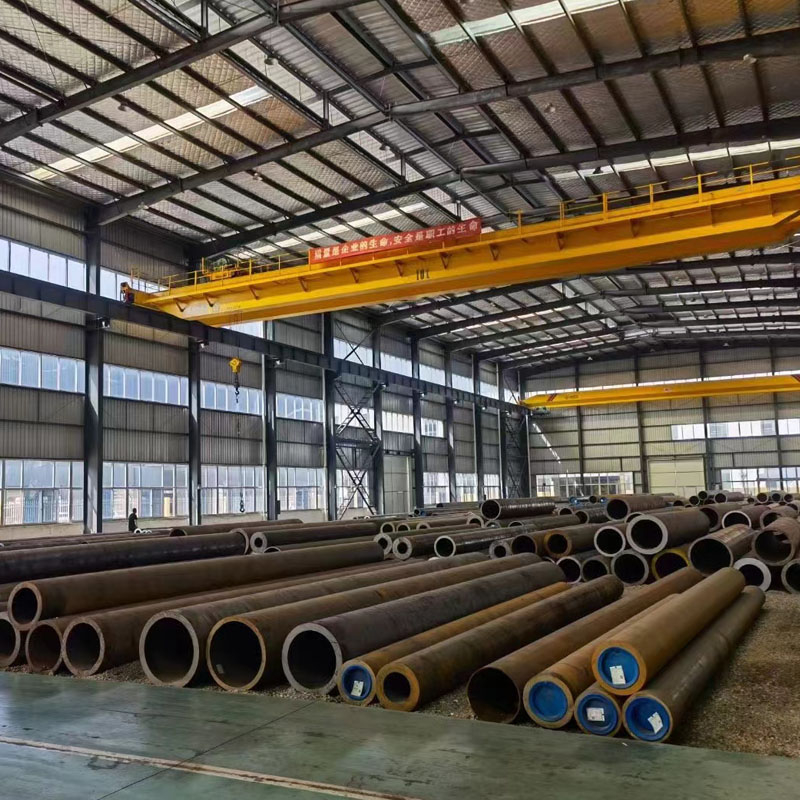
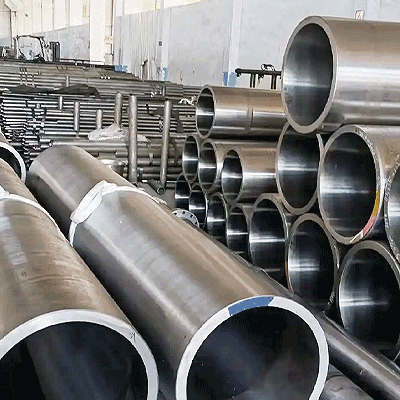
steel pipe
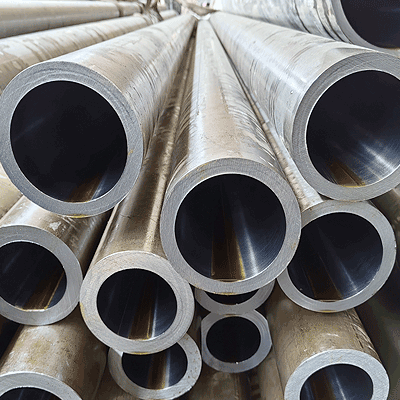
steel pipe
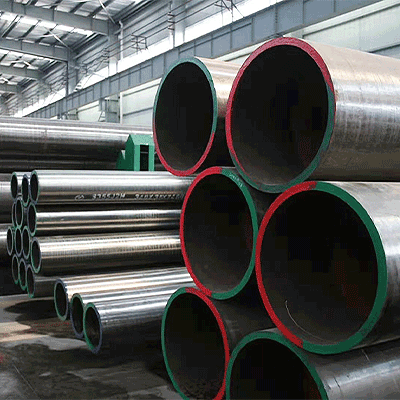
steel pipe
A steel with a hollow section and a length much greater than the diameter or circumference. According to the cross-sectional shape, it is divided into round, square, rectangular and special-shaped steel pipe; according to the material, it is divided into carbon structural steel pipe, low-alloy structural steel pipe, alloy steel pipe and composite steel pipe; according to the purpose, it is divided into transportation pipelines, engineering structures, Steel pipes for thermal equipment, petrochemical industry, machinery manufacturing, geological drilling, high-pressure equipment, etc.; according to the production process, it is divided into seamless steel pipes and welded steel pipes, among which seamless steel pipes are divided into hot-rolled and cold-rolled (drawn) Two types, welded steel pipes are divided into longitudinal welded steel pipes and spiral welded steel pipes.
Steel pipe is not only used for conveying fluids and powdered solids, exchanging heat, and manufacturing mechanical parts and containers, it is also an economical steel. Using steel pipes to manufacture building structure grids, pillars and mechanical supports can reduce weight, save metal by 20-40%, and realize factory mechanized construction. The use of steel pipes to manufacture highway bridges not only saves steel, simplifies construction, but also greatly reduces the area of the protective layer and saves investment and maintenance costs.
By production method
Steel pipes can be divided into two categories according to production methods: seamless steel pipes and welded steel pipes. Welded steel pipes are referred to as welded pipes for short.
1. According to production methods, seamless steel pipes can be divided into: hot-rolled seamless pipes, cold drawn pipes, precision steel pipes, hot expanded pipes, cold spinning pipes and extruded pipes.
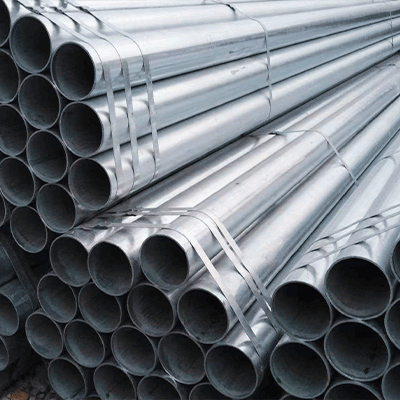
Bundles of steel pipes
Bundles of steel pipes
Seamless steel pipes are made of high-quality carbon steel or alloy steel, and are divided into hot rolled and cold rolled (drawn).
2. Welded steel pipes are divided into furnace welded pipes, electric resistance welded (resistance welded) pipes and automatic arc welded pipes due to their different welding processes. Due to their different welding methods, they are divided into two types: straight seam welded pipes and spiral welded pipes. It is round welded pipe and special-shaped (square, flat, etc.) welded pipe.
Welded steel pipes are formed by welding steel plates rolled into a tube shape with butt seams or spiral seams. In terms of manufacturing methods, they are divided into welded steel pipes for low-pressure fluid transportation, spiral seam electric welded steel pipes, direct coil welded steel pipes, and electric welded pipes. Seamless steel pipes can be used for liquid pressure pipes and gas pipes in various industries. Welded pipelines can be used for water pipelines, gas pipelines, heating pipelines, electrical pipelines, etc.
By material
Steel pipes can be divided into carbon pipes, alloy pipes, stainless steel pipes, etc. according to the pipe material (that is, steel type).
Carbon tubes can be divided into ordinary carbon steel tubes and high-quality carbon structural tubes.
Alloy pipe can be divided into: low alloy pipe, alloy structure pipe, high alloy pipe and high strength pipe. Bearing tubes, heat-resistant and acid-resistant stainless tubes, precision alloy (such as Kovar) tubes and high-temperature alloy tubes, etc.
Classified by connection method
Steel pipes can be divided into smooth pipes (with no threads on the pipe ends) and threaded pipes (with threads on the pipe ends) according to the connection method of the pipe ends.
The wire tube is divided into: ordinary wire tube and tube end thickened wire tube.
Thickened wire tube can also be divided into: external thickening (with external thread), internal thickening (with internal thread) and internal and external thickening (with internal and external threads) and other wire turning tubes.
According to the thread type, the threaded tube can also be divided into: ordinary cylindrical or conical thread and special thread.
In addition, according to user needs, wire pipes are generally delivered with pipe joints.
According to plating characteristics
Steel pipes can be divided into black pipes (not plated) and coated pipes according to the characteristics of surface coating.
Coated pipes include galvanized pipes, aluminum-plated pipes, chrome-plated pipes, aluminized pipes and other alloy-layer steel pipes.
Coated tubes include outer coating tubes, inner coating tubes, and inner and outer coating tubes. The commonly used coatings are plastic, epoxy resin, coal tar epoxy resin and various glass-type anticorrosive coating materials.
Galvanized pipe is divided into: KBG pipe, JDG pipe, threaded pipe and so on.
By purpose
1. Pipes for pipes. Such as: seamless pipes for water, gas pipes, steam pipes, oil pipelines, and oil and gas trunk lines. Agricultural irrigation water taps with pipes and sprinkler irrigation pipes, etc.
2. Thermal equipment pipes. Such as boiling water pipes and superheated steam pipes for general boilers, superheating pipes, large smoke pipes, small smoke pipes, arched brick pipes and high temperature and high pressure boiler pipes for locomotive boilers.
3. Pipes for machinery industry. Such as aerospace structural tubes (round tube, oval tube, flat oval tube), automobile half-shaft tube, axle tube, automobile tractor structure tube, tractor oil cooler tube, agricultural machinery square tube and rectangular tube, transformer tube and bearing Tube and so on.
4. Pipes for petroleum geological drilling. Such as: oil drilling pipes, oil drill pipes (kelly and hexagonal drill pipes), drill stems, oil tubing, oil casing and various pipe joints, geological drilling pipes (core pipe, casing, active drill pipe, drill stem , Press hoop and pin joints, etc.).
5. Tubes for the chemical industry. Such as: petroleum cracking pipes, chemical equipment heat exchangers and pipes, stainless acid-resistant pipes, high-pressure pipes for fertilizers, and pipes for transporting chemical media.
6. Other departments use management. Such as: container tube (tube for high-pressure gas cylinder and general container tube), tube for instrument and instrument, tube for watch case, injection needle and tube for medical equipment, etc.
According to section shape
The steel type and specifications of steel pipe products are extremely diverse, and their performance requirements are also various. All these should be differentiated according to user requirements or changes in working conditions. Generally, steel pipe products are classified according to cross-sectional shape, production method, pipe material, connection method, plating characteristics and use.
Steel pipes can be divided into round steel pipes and special-shaped steel pipes according to their cross-sectional shape.
Special-shaped steel pipes refer to steel pipes with various non-circular cross-sections.
The main ones are:
Square tube,
Rectangular tube,
Oval tube,
Flat oval tube,
Semicircular tube,
Hexagonal tube,
Hexagonal inner tube,
Unequal hexagonal tube,
Equilateral triangle tube,
Pentagonal plum tube,
Octagonal tube,
Convex tube,
Double convex tube,
Double concave tube,
Multi-concave tube,
Seed-shaped tube,
Flat tube,
Rhombus tube,
Star tube,
Parallelogram tube,
Ribbed pipe,
Drop tube,
Inner finned tube,
Twisted pipe,
Type B tube,
D type tube and multilayer tube, etc.
According to the shape of the longitudinal section, steel pipes are divided into equal section steel pipes and variable section steel pipes. Variable section (or variable section) steel pipe refers to a steel pipe whose cross-sectional shape, inner and outer diameter and wall thickness along the length of the pipe change periodically or non-periodically. It mainly includes: outer tapered tube, inner tapered tube, outer stepped tube, inner stepped tube, periodic section tube, corrugated tube, spiral tube, steel pipe with fins, and gun barrel with double wire.
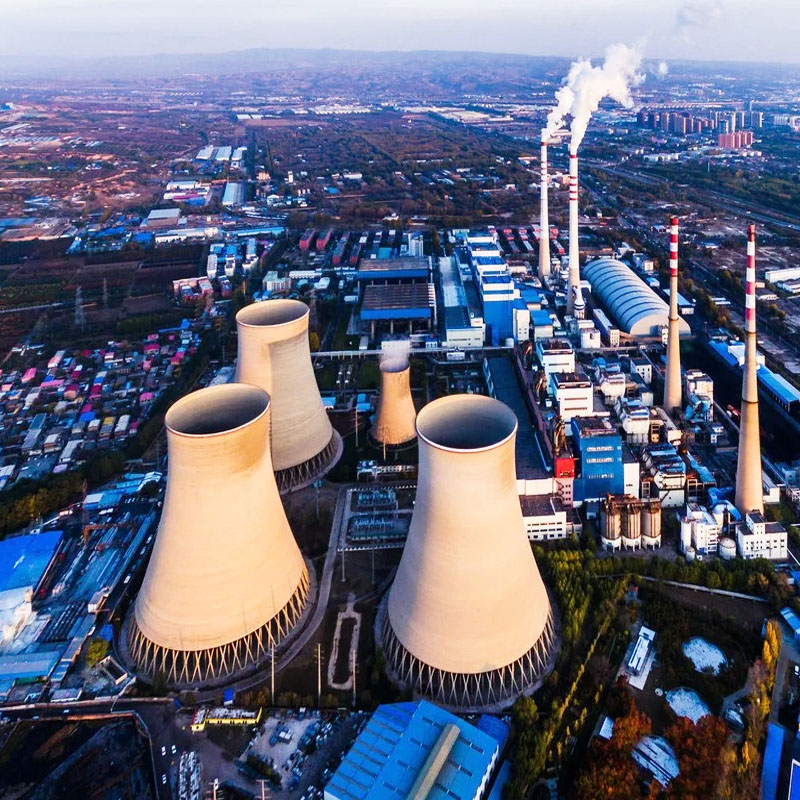
Products are widely used in construction, machinery, coal mining, chemical industry, electric power, railway vehicles, automobile industry, highways, bridges, containers, sports facilities, agricultural machinery, petroleum machinery, prospecting machinery, greenhouse construction and other manufacturing industries
The corrosion resistance of stainless steel coils decreases as the carbon content increases. Therefore, the carbon content of most stainless steels is low, up to 1.2%, and some steels have a low ωC (carbon content) of even less than 0.03% (such as 00Cr12). The main alloying element in stainless steel coil is Cr (chromium). Only when the Cr content reaches a certain value, the steel has corrosion resistance. Therefore, the goods Cr (chromium) content of at least 10.5%. Stainless steel coil also contains Ni, Ti, Mn, N, Nb, Mo, Si, Cu and other elements.
Most of the requirements for use are to maintain the original appearance of the building for a long time. In determining which type of goods to choose, the main considerations are the required aesthetic standards, the corrosiveness of the local atmosphere and the cleaning system to be used. However, other applications are increasingly seeking structural integrity or impermeability. Examples include roofs and sidewalls of industrial buildings. In these applications, construction cost to the owner may be more important than aesthetics, and the surface may not be very clean. The use of 304 stainless steel coils in dry interior environments is quite effective.
Weldability. Different product uses have different requirements for weldability. A class of tableware generally does not require weldability, even including some cookware companies. However, most products require raw materials with good weldability, such as second-class tableware, insulation cups, steel pipes, water heaters, water dispensers, etc.
Corrosion resistance. Most stainless steel coil products require good corrosion resistance, such as Class I or Class II tableware, kitchen utensils, water heaters, water dispensers, etc.
Polishing performance. In today’s society, stainless steel coil products in the production process are generally polished, only a few products such as water heaters, drinking fountains, etc. do not need to be polished. Therefore, this requires raw materials with good polishing performance.
1. The need for pre-treatment
Pretreatment is an important treatment step before the surface of
stainless steel coil parts enter surface treatment (including pickling,
chemical polishing and electrochemical polishing, electroplating,
passivation, black coating, coloring, chemical treatment, etc.). During
the forming process of goods parts, the surface may adhere to oil
stains, burrs, rough surfaces and oxides. Therefore, before surface
treatment, oil stains, burrs, uneven surfaces and oxides must be removed
in order to obtain subsequent satisfactory results through processing.
2. Treatment of removed dirt
Stainless steel coil surface pretreatment in the need to remove the dirt
can be divided into two categories: organic and inorganic substances.
(1) organic dirt. Including mineral oil (such as diesel, oil, paraffin,
gypsum, etc.) and animal oil, vegetable oil (such as soybean oil,
camellia oil, rapeseed oil, lard, butter, etc.). These oils are mainly
from the stainless steel coil zero cattle processing process used in the
lubricant. , cutting oil, quenching oil, polishing paste and polishing
paste, and fingerprints.
(2) Inorganic dirt. Including dirt, dust particles, oxides and other
contaminants generated during the heat treatment process.
3. Pretreatment steps for stainless steel coil parts
(1) The surface is mechanically leveled. Eliminate the roughness of the
stainless steel coil surface, through mechanical polishing and grinding
to achieve a surface finish.
(2) Degreasing. Remove the surface oil and dirt.
(3) Acid washing. Remove the oxides on the surface.
(4) Weak corrosion. Activates the surface to be treated, removes the
surface passivation film, and exposes the metal crystal structure.
Stainless steel is a high-alloy steel, with a large resistance to rolling deformation. In order to carry out high-efficiency and high-precision rolling, rigid rolling mills should be used, generally multi-roller cold rolling mill.
Special welding process is also a feature of cold-rolled stainless steel coil production.
In the production process of cold rolled stainless steel coil, the raw material (hot rolled coil) should be annealed, intermediate annealing should be carried out in the cold rolling process, and the final product should be annealed, so annealing is an important part of the production.
Cold-rolled stainless steel is a high-grade steel products, there are strict requirements for surface quality. Not only are metallurgical defects caused by the previous process not allowed, but also obvious defects caused by the cold rolling process.
Send your inquiry / assessment to Us. Anything need us ,please don’t hesitate contact us here! we will keep it secret for you !

Send your inquiry / assessment to Us. Anything need us ,please don’t hesitate contact us here! we will keep it secret for you !
Zhongye Metal Products (Shandong) Co., Ltd. is an international supplier of steel and non-ferrous metal raw materials. The company is headquartered in Shandong, and the factory covers an area of 70,000 square meters.
For Further Details,Please Feel Free To Us:
 admin@zy-metal.cn
 Address:Building 17, Phase II, High end Intelligent Equipment Industrial Park, Liaocheng Hi tech Zone, Shandong Province