Welcome to Our Website; E-mail: admin@zy-metal.cn


We can provide samples for free
Send your inquiry: admin@zy-metal.cn


Send your inquiry: admin@zy-metal.cn
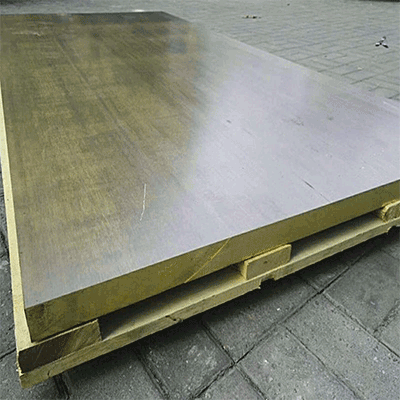
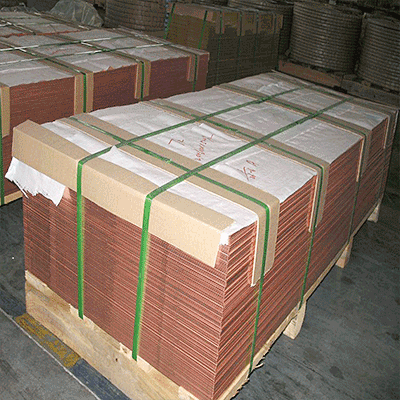
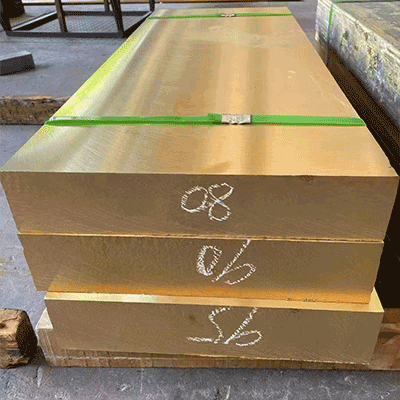
As an important metal material, copper plate has a wide range of applications in many fields due to its electrical conductivity, thermal conductivity, corrosion resistance and easy processing: electronics and electrical industry, circuit boards and conductive components, high-power equipment heat dissipation, curtain wall and roofing materials, decorations and artworks, industry and machinery manufacturing, corrosion-resistant parts, mechanical processing and welding, chemical…
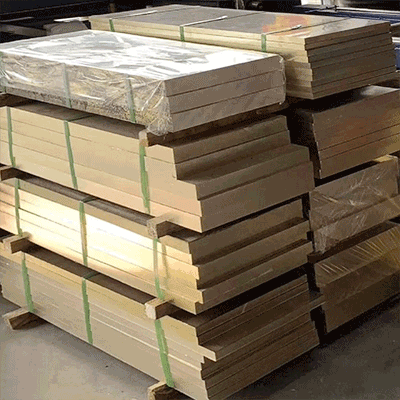


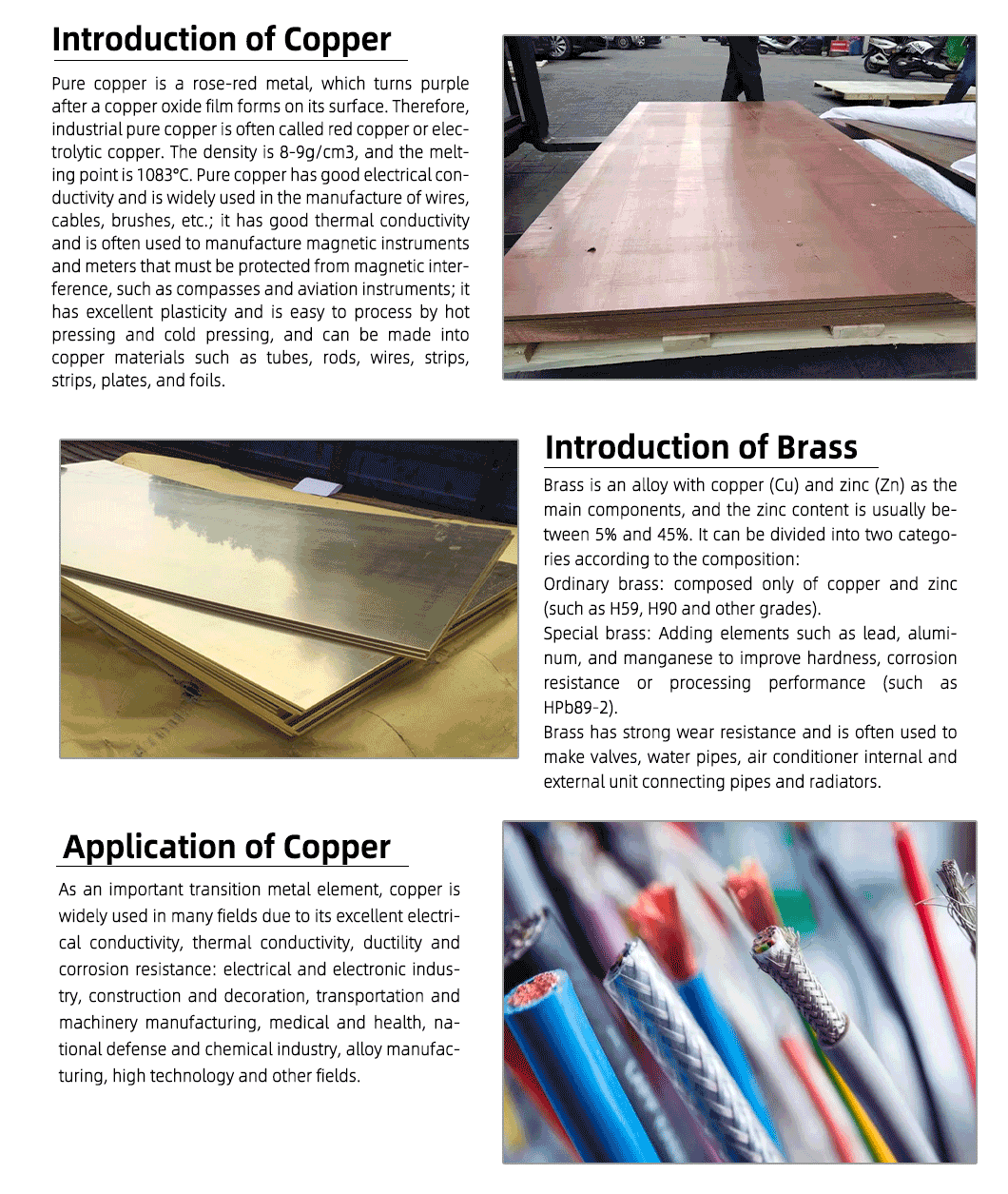

| Product Name | Brass Plate, Brass Sheet, Copper Sheet, Copper Plate, Copper Cathode, Bronze Plate, Bronze Sheet |
| Standard | GB/T5231-2001, GB/T1527-2006, JISH3100-2006, JISH3250-2006, JISH3300-2006 ASTMB152M-06, ASTMB187, ASTMB75M-02, ASTMB42-02, GB/T2040-2008 ASTM B36, ASTM B194, ASTM B888, ASTM B19, ASTM B122 |
| Thickness | 0.1mm-200mm or Customizable |
| Width | 2mm-2500mm or Customizable |
| Length | 10mm-12000mm or Customizable |
| Purity | 99.90% - 99.9% or Customizable |
| Surface | Mill Finish, Polished, Anodizing, Brushing, Sand-Blasting, Powder-Coating, Bright, Oiled, Hair-Line, Mirror, Checkered, Antique, Etching, Etc |
| Copper Type | Pure Copper; Silver Copper; Brass; Tin Bronze; Zinc White Copper; Nickel White Copper; Oxggen Free Copper; Beryllium bronze; Aluminum bronze; Aluminum Bronze Copper |
| Hardness | 1/16 Hard, 1/8 Hard, 3/8 Hard, 1/4 Hard, 1/2 Hard, Full Hard, Soft, Etc |
| Shape | Round, Square, Oval, Can be Customized |
| Product Advantages | Copper is a very ductile and malleable metal. It is high electrical conductivity and high thermal conductivity. Copper alloy has excellent cold and hot working properties, can be heat treated and strengthened, has high strength and good elasticity, and is mainly used for busbars, wires, and parts that require high conductivity and good weldability. Brass plate has a high corrosion resistance, and have good plasticity,in the air easy to cold and hot pressure processing, easy to welding, forging and tin, no stress corrosion cracking the tendency. |
| Material-1 | T0, T1, T2, T3, TP1, TP2, TU1, TU0, TU2, TAg0.1, NCu40-2-1 H59, H60, H62, H63, H65, H68, H70, H80, H85, H90, H96, HS5, HB2 HPb60-2, HPb62-2, HPb62-3, Hpb63-3, HPb59-l, HPb58-2.5 HPb59-1, HPb59-3, HPb60-2, HP562-2, HPb62-3, HPb63-3 BZn18-18, BZn18-26, BZn15-20, BZn18-10, QAl5, QAl9-2, QAl7, QAl9-4 TAg0.1, QSn4-0.3, QSn8-0.3, QSn6.5-0.1, QSn6.5-0.4 BFe5-1.5-0.5, BFe10-1-1, BFe30-1-1, B0.6, B19, B25, B30, QBe2, QBe0.4-1.8 |
| Material-2 | C1100, C10100, C10200, C10300, C10400, C10500, C10700, C10800, C10910, C10920, C10930 C11000, C11300, C11400, C11500, C11600, C11700, C210C0, C12000, C12200, C12300, C12500 C14200, C14415, C14420, C14430, C14500, C14510, C14520, C14530, C15000, C15100 C16500, C17000, C17150, C17200, C17300, C17500, C18000, C18150, C18200, C19140, C19160, C19210, C19200, C19400 C21000, C22000, C23000, C23400, C24000, C26000, C26800, C27000, C27200, C27400, C28000 C31400, C31600, C33000, C33200, C34000, C34200, C34500, C35000, C35300, C35330, C35600, C36000, C37000, C37700, C37710, C37700, C38000, C38500 C44300, C44400, C44500, C46200, C46400, C48200, C48500, C443CND C51000, C51100, C51900, C52100,C52400, C53400, C54400 C60600, C60800, C61000, C61300, C61400, C61800, C61900, C62300, C62400, C62500, C63000, C63020, C63200, C63400, C63600, C63800, C64200, C64700, C65100, C65300, C65500, C65610, C65620, C66100, C66800, C67300, C67310, C67400, C67410, C67420, C67500, C67600, C68700, C68800, C69300, C69400, C69430 C70400, C70600, C70620, C71000, C71500, C71520, C71640, C72200, C72500, C75200, C77000, C79200, C79300, C83600,C84400,C86300 C90200, C90300, C90500, C90700, C91000, C91100, C91300, C92200, C92300, C92500, C92700, C92900, C93200, C93400, C93600, C93700, C93800, C95200, C95400, C95500, C95800, C95900, C96900, C96900, C97600, C97800, Etc |
| State-Temper | O-H112; T3-T8; T351-T851 or Customizable |
| Application | 1) Aircraft Fuel Tanks, Oil Pipe, Rivets, Wire; Cans Cover, Car Body Panels, Steering Plates, Stiffeners, Brackets And Other Components; Kitchenware, Food And Chemical Products Processing And Storage Devices; 2) Manufacturing Trucks, Tower Building, Ship, Train, Furniture, Machinery Parts, Precision Machining With The Tubes, Rods, Shaped, Sheet Metal. 3) Pancake Coil For Acr, Lwc Coil For Acr, General Engineering Applications 4) Straight Copper Tubes For Acr And Refrigeration, Inner-Grooved Copper Tube For Acr And Refrigeration 5) Copper Pipe For Transportation System Of Water, Gas And Oil; Pe-Coated Copper Tube For Water Gas Oil Transportation System 6) Semi-Finished Copper Tube For Industrial Applications |
| Package | Standard export seaworthy package or as required. |
| Lead Time | Delivery of spot products within 2-3 days after receiving the deposit Customized products delivered within 7-10 days |
| Payment Terms | 30% T/T in advance, 70% T/T 70% L/C at sight balance before shipment |
| Tips | Specific requirement of alloy grade, temper or specification can be discussed at your request |

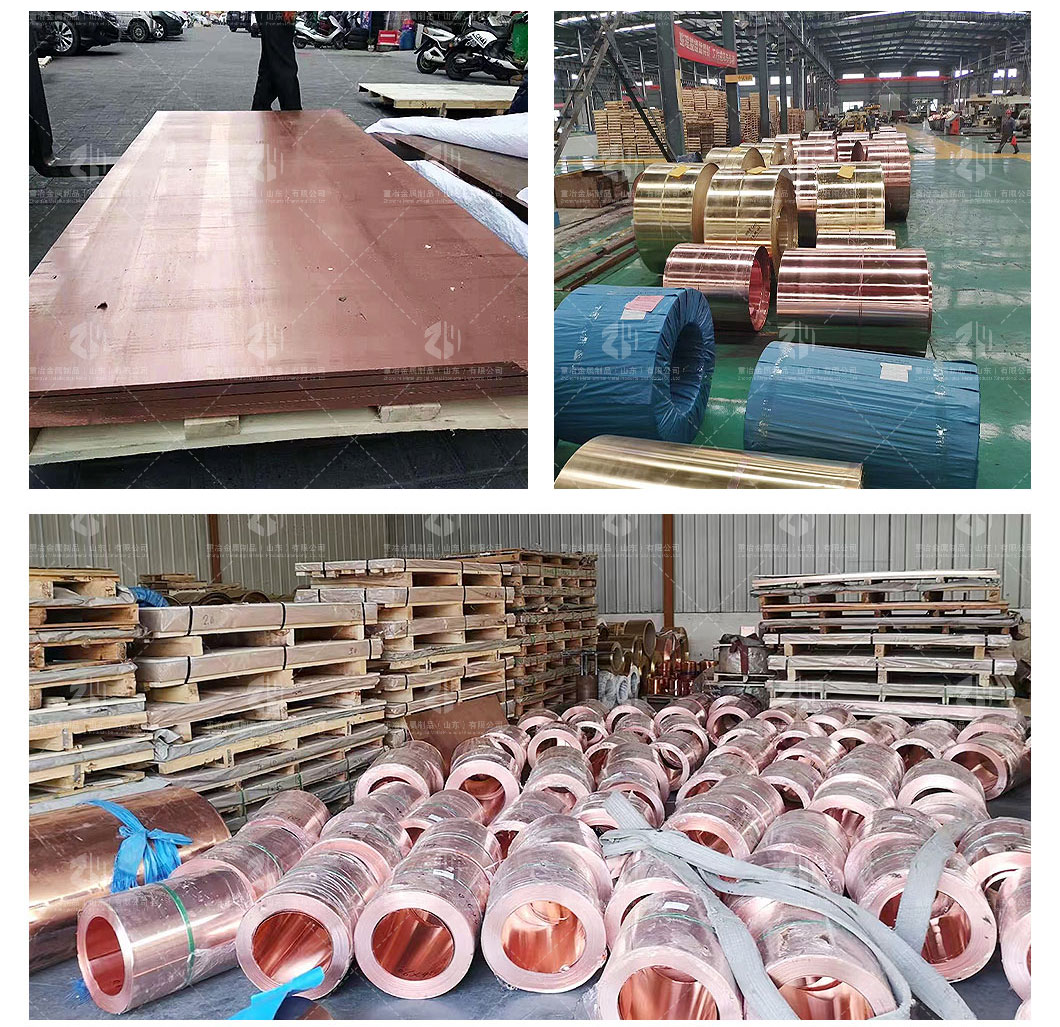

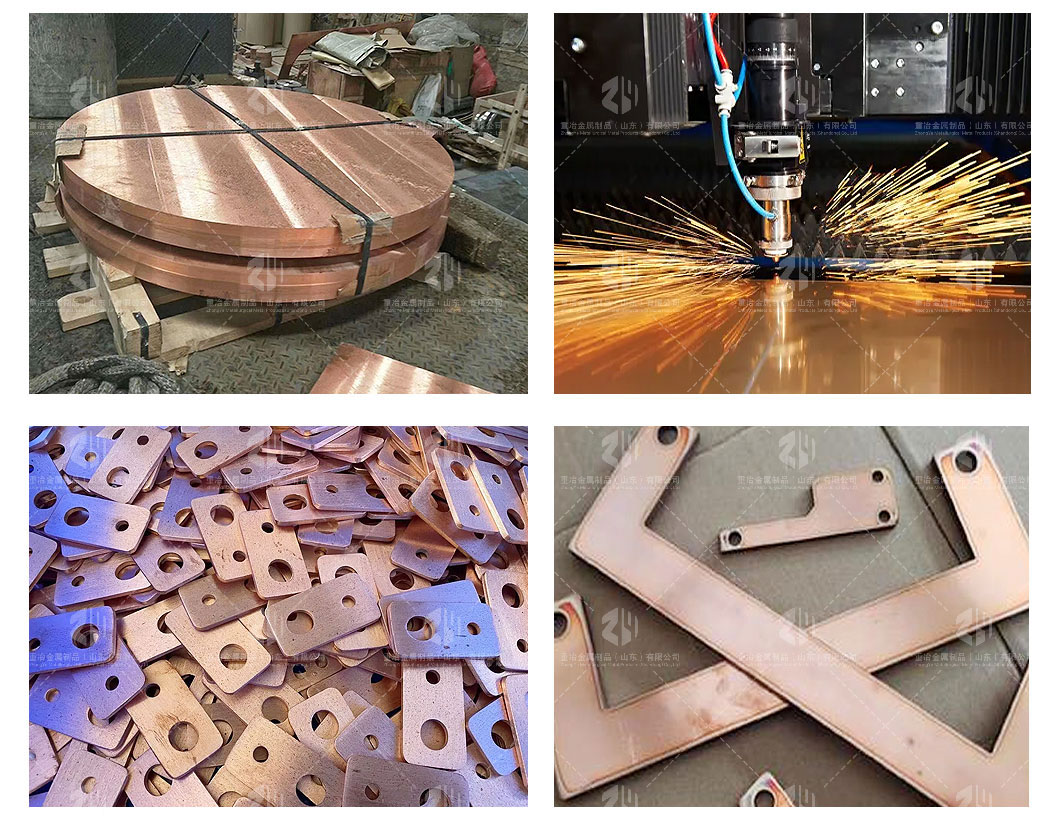

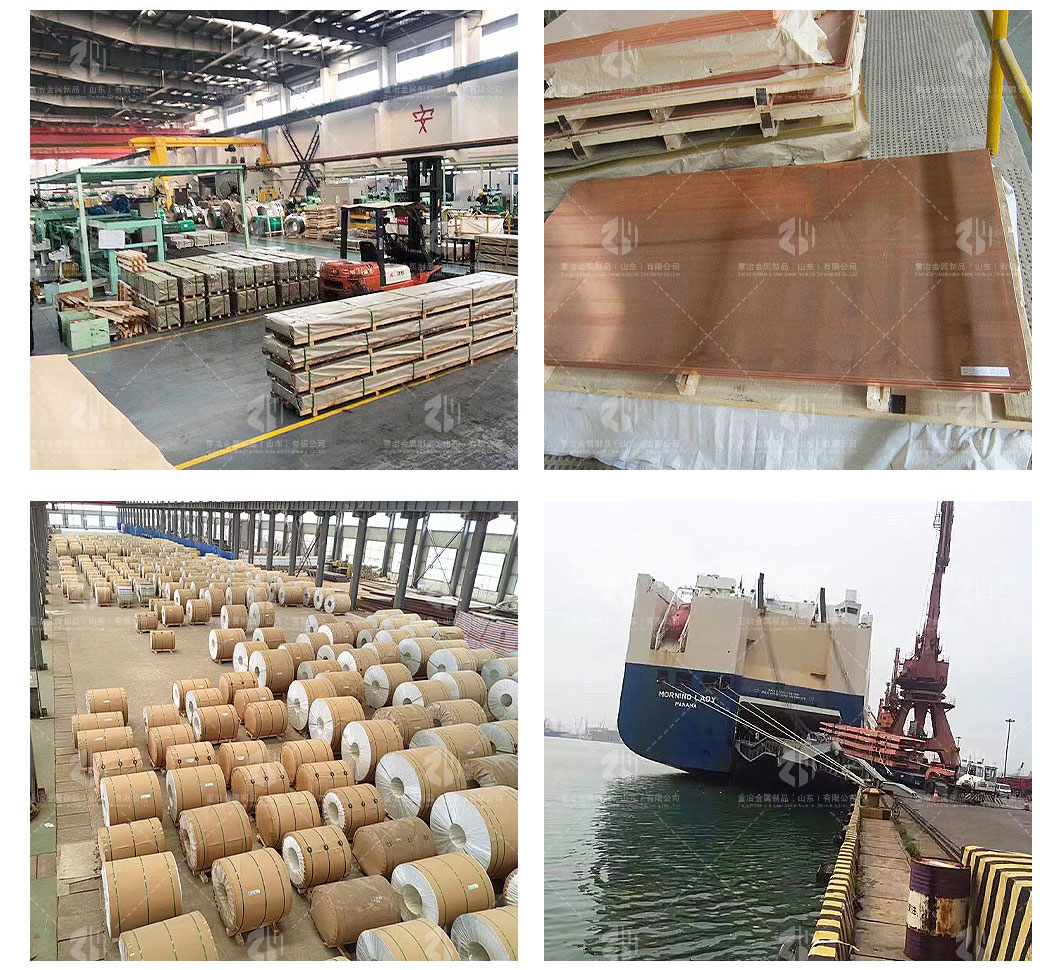

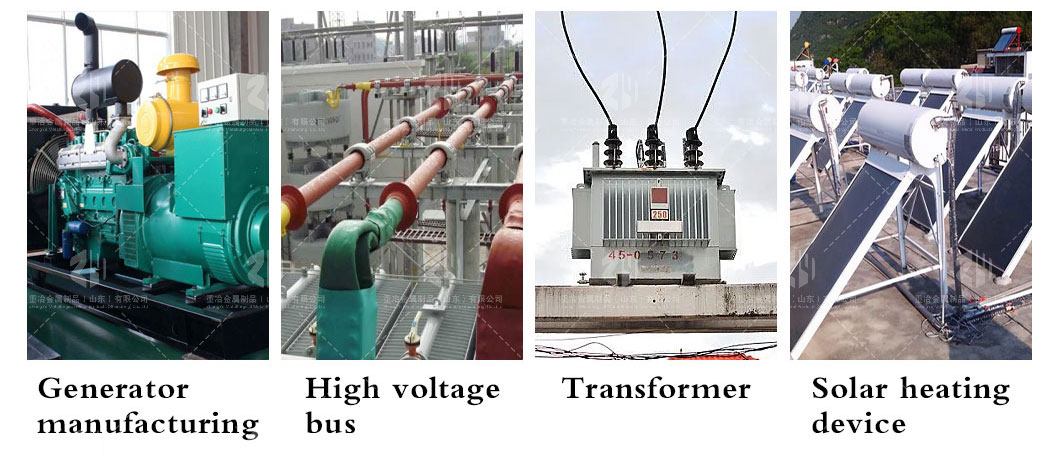

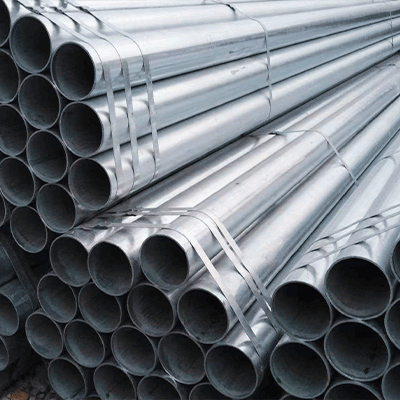
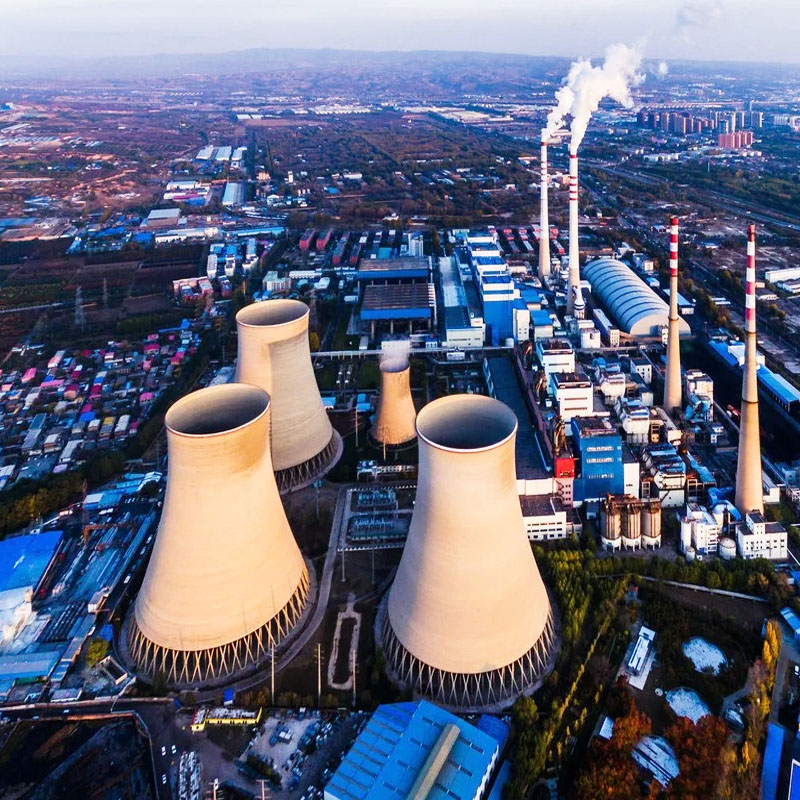
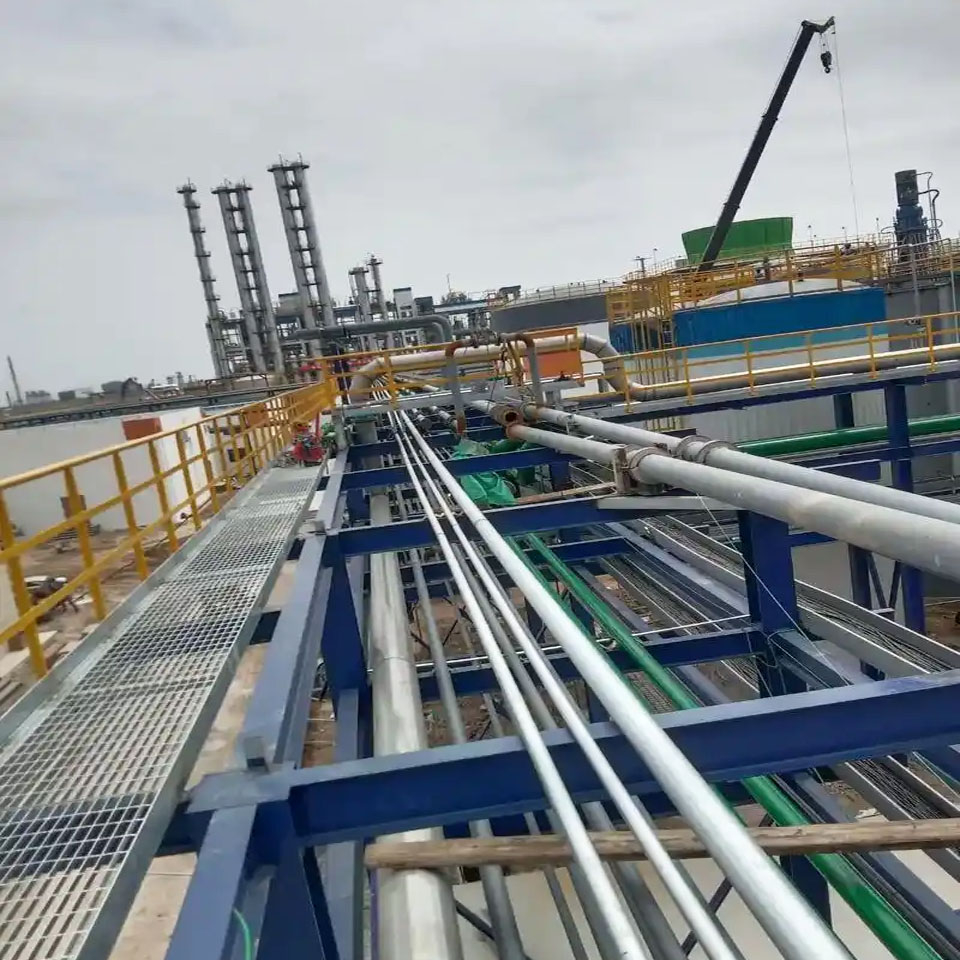
Products are widely used in construction, machinery, coal mining, chemical industry, electric power, railway vehicles, automobile industry, highways, bridges, containers, sports facilities, agricultural machinery, petroleum machinery, prospecting machinery, greenhouse construction and other manufacturing industries

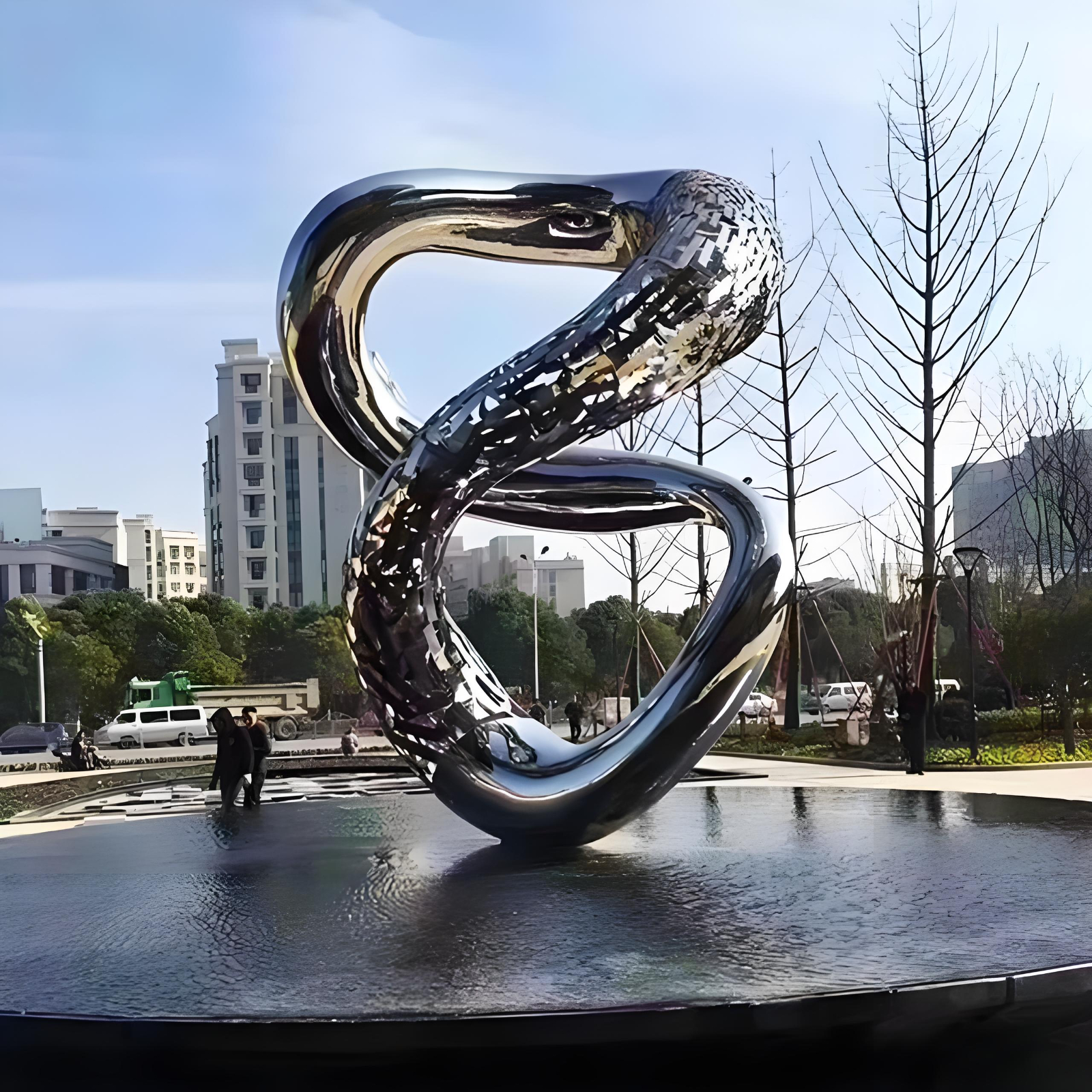
The corrosion resistance of stainless steel coils decreases as the carbon content increases. Therefore, the carbon content of most stainless steels is low, up to 1.2%, and some steels have a low ωC (carbon content) of even less than 0.03% (such as 00Cr12). The main alloying element in stainless steel coil is Cr (chromium). Only when the Cr content reaches a certain value, the steel has corrosion resistance. Therefore, the goods Cr (chromium) content of at least 10.5%. Stainless steel coil also contains Ni, Ti, Mn, N, Nb, Mo, Si, Cu and other elements.
Most of the requirements for use are to maintain the original appearance of the building for a long time. In determining which type of goods to choose, the main considerations are the required aesthetic standards, the corrosiveness of the local atmosphere and the cleaning system to be used. However, other applications are increasingly seeking structural integrity or impermeability. Examples include roofs and sidewalls of industrial buildings. In these applications, construction cost to the owner may be more important than aesthetics, and the surface may not be very clean. The use of 304 stainless steel coils in dry interior environments is quite effective.
Weldability. Different product uses have different requirements for weldability. A class of tableware generally does not require weldability, even including some cookware companies. However, most products require raw materials with good weldability, such as second-class tableware, insulation cups, steel pipes, water heaters, water dispensers, etc.
Corrosion resistance. Most stainless steel coil products require good corrosion resistance, such as Class I or Class II tableware, kitchen utensils, water heaters, water dispensers, etc.
Polishing performance. In today’s society, stainless steel coil products in the production process are generally polished, only a few products such as water heaters, drinking fountains, etc. do not need to be polished. Therefore, this requires raw materials with good polishing performance.
1. The need for pre-treatment
Pretreatment is an important treatment step before the surface of
stainless steel coil parts enter surface treatment (including pickling,
chemical polishing and electrochemical polishing, electroplating,
passivation, black coating, coloring, chemical treatment, etc.). During
the forming process of goods parts, the surface may adhere to oil
stains, burrs, rough surfaces and oxides. Therefore, before surface
treatment, oil stains, burrs, uneven surfaces and oxides must be removed
in order to obtain subsequent satisfactory results through processing.
2. Treatment of removed dirt
Stainless steel coil surface pretreatment in the need to remove the dirt
can be divided into two categories: organic and inorganic substances.
(1) organic dirt. Including mineral oil (such as diesel, oil, paraffin,
gypsum, etc.) and animal oil, vegetable oil (such as soybean oil,
camellia oil, rapeseed oil, lard, butter, etc.). These oils are mainly
from the stainless steel coil zero cattle processing process used in the
lubricant. , cutting oil, quenching oil, polishing paste and polishing
paste, and fingerprints.
(2) Inorganic dirt. Including dirt, dust particles, oxides and other
contaminants generated during the heat treatment process.
3. Pretreatment steps for stainless steel coil parts
(1) The surface is mechanically leveled. Eliminate the roughness of the
stainless steel coil surface, through mechanical polishing and grinding
to achieve a surface finish.
(2) Degreasing. Remove the surface oil and dirt.
(3) Acid washing. Remove the oxides on the surface.
(4) Weak corrosion. Activates the surface to be treated, removes the
surface passivation film, and exposes the metal crystal structure.
Stainless steel is a high-alloy steel, with a large resistance to rolling deformation. In order to carry out high-efficiency and high-precision rolling, rigid rolling mills should be used, generally multi-roller cold rolling mill.
Special welding process is also a feature of cold-rolled stainless steel coil production.
In the production process of cold rolled stainless steel coil, the raw material (hot rolled coil) should be annealed, intermediate annealing should be carried out in the cold rolling process, and the final product should be annealed, so annealing is an important part of the production.
Cold-rolled stainless steel is a high-grade steel products, there are strict requirements for surface quality. Not only are metallurgical defects caused by the previous process not allowed, but also obvious defects caused by the cold rolling process.
Send your inquiry / assessment to Us. Anything need us ,please don’t hesitate contact us here! we will keep it secret for you !

Send your inquiry / assessment to Us. Anything need us ,please don’t hesitate contact us here! we will keep it secret for you !
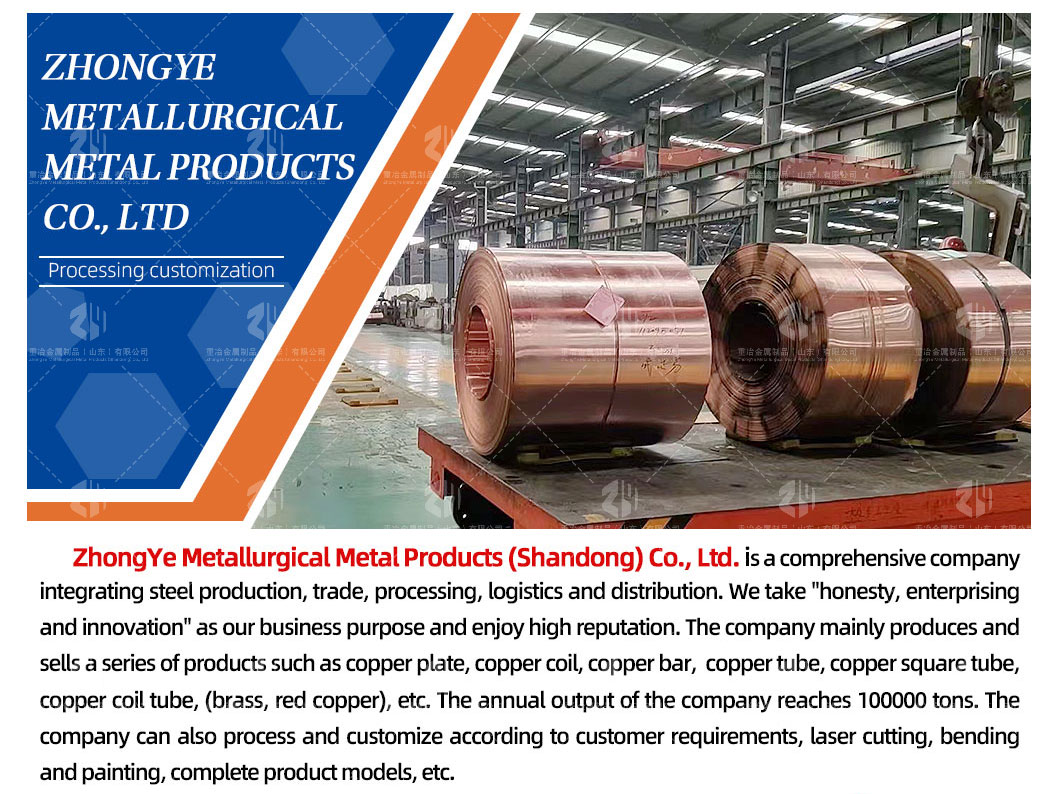
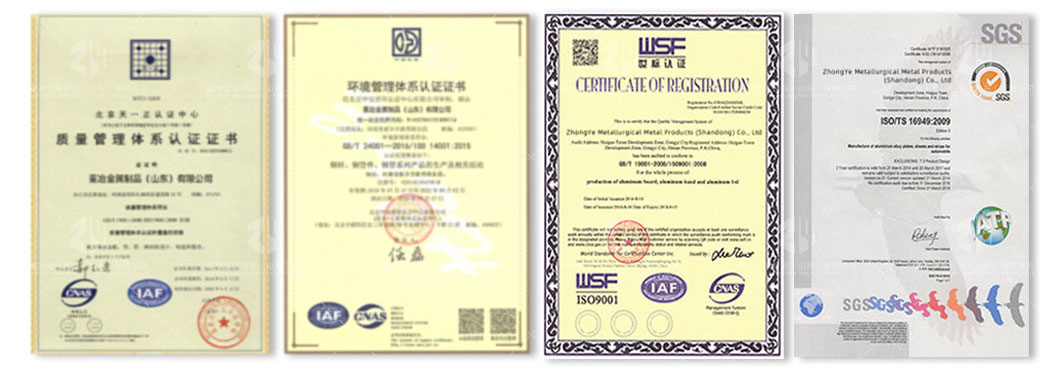
Zhongye Metal Products (Shandong) Co., Ltd. is an international supplier of steel and non-ferrous metal raw materials. The company is headquartered in Shandong, and the factory covers an area of 70,000 square meters.
For Further Details,Please Feel Free To Us:
 admin@zy-metal.cn
 Address:Building 17, Phase II, High end Intelligent Equipment Industrial Park, Liaocheng Hi tech Zone, Shandong Province